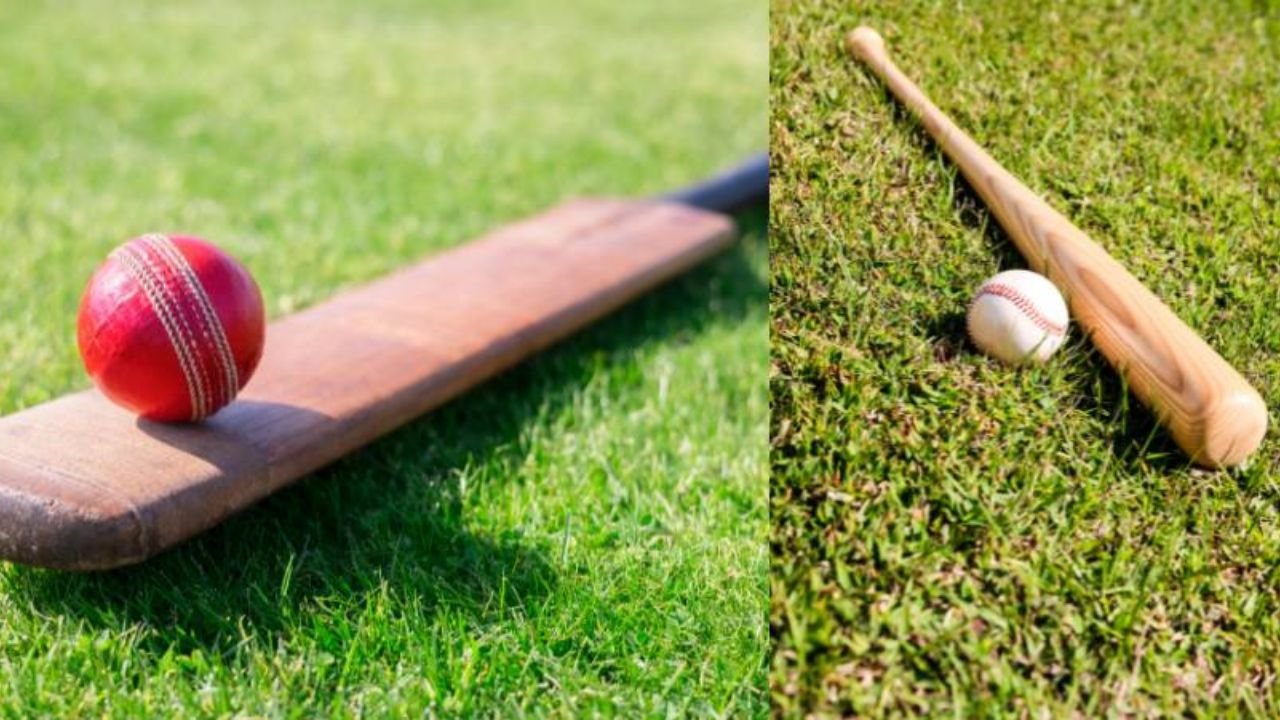
Sports fans always love comparing gear from different games, and two of the most interesting pieces of equipment to compare are the baseball bat and the cricket bat.
Although both bats are used to hit a ball, everything about their design, weight, purpose, and strategy shows how different these two sports truly are.
In this detailed guide, we go deep into the differences between these two bats, how they are made, what makes them effective, and how players use them to gain an advantage.
1. Shape & Design Differences
Baseball Bat
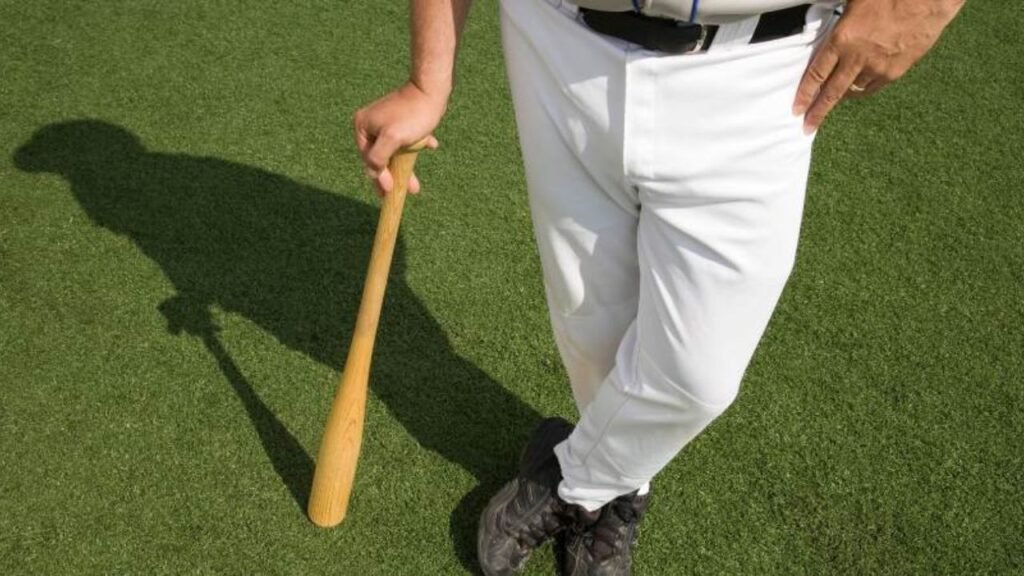
A baseball bat has a cylindrical shape. It starts narrower at the handle and gradually becomes thicker toward the barrel. The design helps generate high swing speed and explosive impact. The barrel is round, which means the sweet spot is smaller but extremely powerful.
A baseball bat is also long and slim, which allows the batter to swing fully around their body. Because the bat is round, a hitter can make contact almost anywhere around the barrel, which suits the fast and aggressive nature of baseball.
Cricket Bat
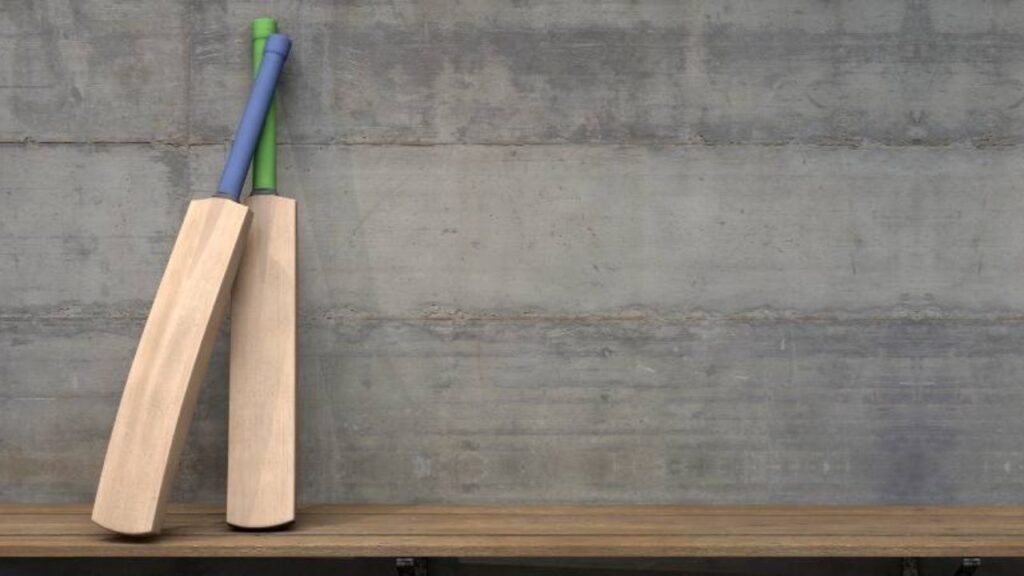
A cricket bat has a flat face and a thick, curved back. The shape lets the batter defend, block, drive, and lift the ball in many controlled ways. Its surface area is wider, creating a much bigger sweet spot.
Because cricket is more about timing than raw power, the flat surface helps batters place the ball with accuracy.
The curved back gives strength to the blade without making it too heavy. This balance is crucial for playing strokes for hours, especially in long Test matches.
2. Material & Build Quality
Baseball Bat Material
Baseball bats come in 2 main types:
- Wooden bats: Often made from maple, ash, or birch.
- Metal bats: Made from aluminium or composite materials. (Used mainly in amateur baseball, not in MLB.)
Wooden bats deliver clean contact and natural power. Metal bats offer more of a trampoline effect, helping the ball jump off quicker. But professional baseball strictly uses wooden bats.
Cricket Bat Material
Cricket bats use willow wood, specifically the following:
- English willow: Softer, more premium, produces better performance.
- Kashmir willow: Harder, more affordable, slightly less responsive.
The bat’s blade is handcrafted, and it requires knocking-in to prepare the wood for real gameplay. This process strengthens the bat and protects it from cracks.
3. Size & Weight Comparison
Baseball Bat
- Length: Usually 24–34 inches
- Weight: Around 0.8–1 kg
- Swing weight: Higher because the mass is concentrated in the barrel
Baseball bats feel heavier during the swing because most weight stays toward the tip, giving more power for home runs.
Cricket Bat
- Length: About 38 inches
- Weight: 1.1–1.4 kg
- Balance: Evenly distributed through the blade
Although cricket bats weigh more, they feel easier to control because the weight spreads across a wider surface.
4. Purpose & Gameplay Strategy
Baseball Bat Strategy
In baseball, the hitter has one main goal: make strong contact in a split second. Pitchers throw the ball at 140–160 km/h. The hitter gets less than a second to react. Therefore, swing mechanics focus on:
- Speed
- Precision
- Maximum barrel power
Hitters learn to rotate their hips, keep the bat in the strike zone for a short time, and drive the ball as far as possible. Since the pitcher controls the ball’s direction, hitters must read the pitch instantly.
A baseball bat helps a hitter generate explosive hits, especially for long balls like home runs.
Cricket Bat Strategy
Cricket batting demands patience and shot selection. A batter needs to:
- Defend
- Time the ball
- Place shots
- Keep the wicket safe
- Build long partnerships
The flat blade of the cricket bat allows a variety of strokes:
- Drives
- Cuts
- Pulls
- Flicks
- Blocks
The bat helps batters control the direction and speed of the ball. In Tests, a batter might play with the same bat for hours. In T20s, players attack more, using the thick edge and spine to send the ball long distances.
5. Sweet Spot Location & Power
Baseball Bat Sweet Spot
The sweet spot sits along the barrel, closer to the end. When the ball hits this area:
- The bat vibrates less
- The ball travels faster
- The player feels a “clean hit”
Because the sweet spot is small, precision matters a lot.
Cricket Bat Sweet Spot
Cricket bats have a much larger sweet spot, often located in the middle or lower part of the blade. Manufacturers position the sweet spot depending on pitch conditions:
- Lower sweet spot: Better for low, slow pitches
- Mid sweet spot: Ideal for balanced conditions
- High sweet spot: Useful for bouncy, fast pitches
The bigger sweet spot gives batters flexibility and helps them play a wide range of shots.
6. Swing Mechanics & Handling
Baseball Swing
The baseball swing is aggressive. Hitters rotate their hips and shoulders fully while keeping the bat angled upward to lift the ball. Power comes from:
- Strong wrists
- Hip rotation
- Fast bat speed
The bat’s round design allows full 360-degree motion.
Cricket Swing
The cricket swing is more controlled and vertical. Batters lift the bat straight up (backswing) and bring it down in a straight motion. Timing matters more than brute force. The grip and stance support accuracy and placement instead of raw power.
7. Durability & Maintenance
Baseball Bat
Wooden baseball bats can break when facing inside pitches or mishits. Metal bats last longer but are not allowed in pro leagues. Baseball bats don’t need much maintenance.
Cricket Bat
Cricket bats require regular care:
- Oiling
- Knocking-in
- Rebinding the handle
- Applying protective tape
With proper care, a cricket bat lasts a long time.
Which Bat Is Better?
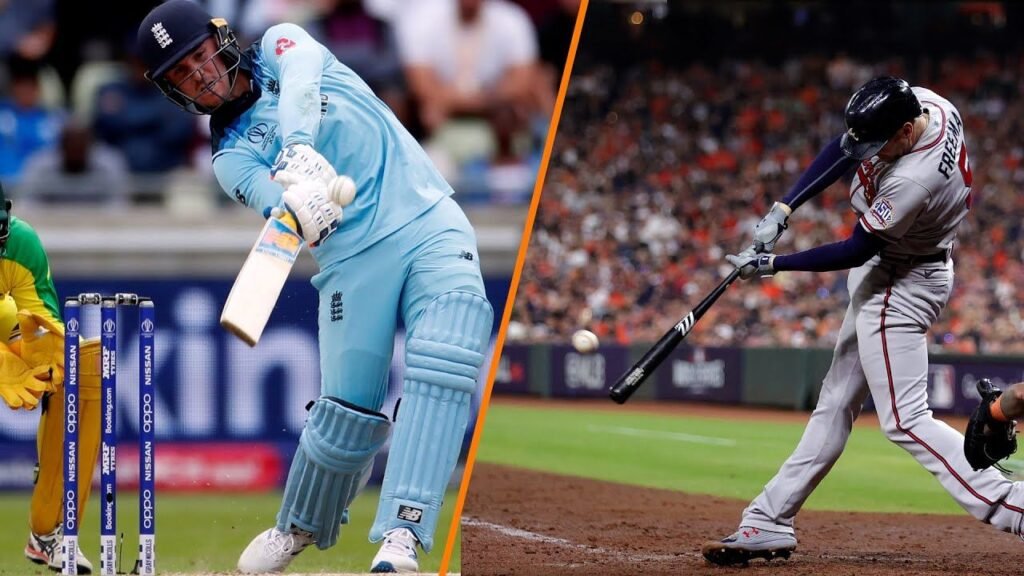
Both bats serve their sports perfectly. A baseball bat gives explosive power for short, fast action. Meanwhile, a cricket bat delivers control, balance, and long-lasting performance for extended gameplay.
The baseball bat suits players who rely on the following:
- Quick reactions
- Maximum force
- Fast, powerful swings
The cricket bat supports players who need the following:
- Precision
- Versatility
- Stamina
- Shot placement
Ultimately, neither is “better”. Each bat reflects the style, pace, and strategy of its sport. They may look similar at first glance, yet their design, purpose, and usage show how different baseball and cricket truly are.
FAQs
What is the main difference between a baseball bat and a cricket bat?
A baseball bat is round and cylindrical, made for fast, powerful swings. A cricket bat is flat on one side and wider, designed for control and a variety of strokes. Their shapes reflect the different demands of each sport.
Why are cricket bats flat while baseball bats are round?
Cricket bats are flat to help players place shots, defend, and control the ball over long periods. Baseball bats are round to generate high swing speed and explosive contact in a fast-paced hitting moment.
Which bat is heavier—a baseball or a cricket?
Cricket bats are usually heavier overall, but they feel balanced because weight spreads across the blade. Baseball bats weigh less but feel heavier during the swing since most mass sits in the barrel.
Why do baseball bats have a smaller sweet spot?
A baseball bat’s round barrel creates a compact sweet spot meant for powerful hits. The game relies on speed and precision, so hitters must connect cleanly to send the ball far.
Which bat generates more power?
A baseball bat generates raw power with high swing velocity and concentrated barrel mass. A cricket bat generates controlled power through its wide sweet spot, helping players time shots rather than blast every ball.
Can a cricket bat be used to play baseball?
Not effectively. A cricket bat’s flat face and heavy blade make it unsuitable for baseball’s fast, circular swing. The rules in baseball also don’t allow cricket-style bats.
Can a baseball bat be used to play cricket?
No, because players need a flat surface to defend the stumps and guide the ball. A round baseball bat cannot perform cricket strokes, and it is not allowed under cricket laws.
Why do cricket bats need knocking-in but baseball bats don’t?
Cricket bats are made from willow, which requires knocking-in to strengthen fibres for gameplay. Baseball bats, especially wooden ones, are ready to use and don’t need such preparation.
Which bat lasts longer?
Cricket bats last longer with proper care, though they require regular maintenance like oiling and taping. Wooden baseball bats break more easily under high-speed contact but need little upkeep.
Which bat is better for beginners?
For baseball, beginners prefer lighter aluminium bats for easier swings. In cricket, beginners benefit from mid-weight English willow or Kashmir willow bats that offer control and comfort.