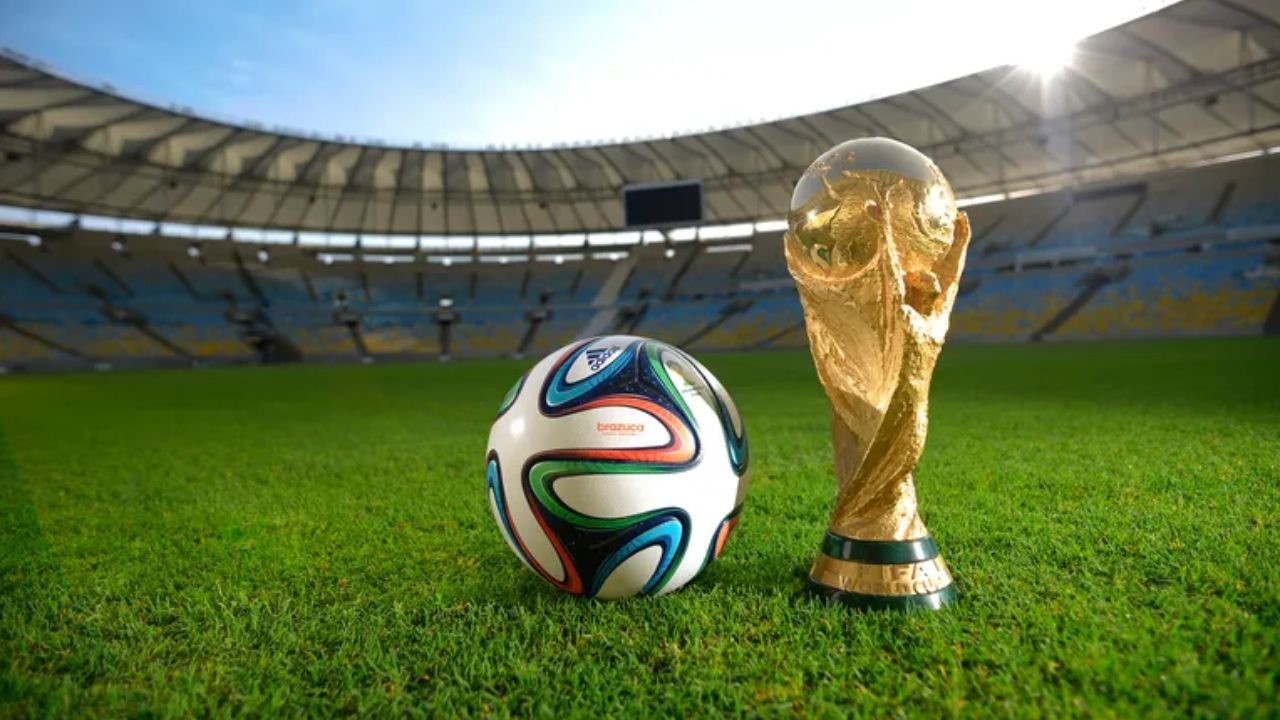
The FIFA World Cup is more than just a football tournament. It is a global celebration that unites billions of fans, creates unforgettable moments, and turns players into legends overnight.
Every four years, nations unite under the banner of football. You feel the adrenaline, the heartbreak, and the pure ecstasy that only this tournament delivers.
Whether you support Brazil, Argentina, Germany, France, or an underdog nation, the competition always creates stories people remember for decades. Therefore, grab a seat, and let us explore the fascinating journey of the greatest show on Earth.
The Origins: How the FIFA World Cup Began
Back in the early 1900s, football only appeared in the Olympic Games. However, the Olympic tournament only allowed amateur players. Consequently, professional stars could not represent their countries.
Jules Rimet, the third president of FIFA, saw this gap. He envisioned a global tournament where the world’s best professionals could battle for ultimate glory.
As a result, FIFA planned the first-ever World Cup in 1930. Uruguay hosted the inaugural tournament because the country celebrated its centenary of independence and their national team won Olympic gold in 1924 and 1928.
Only 13 teams participated, with Uruguay lifting the trophy on home soil. From that modest beginning, a global phenomenon exploded.
The Evolution of the Tournament
Over the decades, the tournament transformed dramatically. Initially, only a handful of European teams bothered to make the long trip to South America. Furthermore, World War II forced the cancellation of the 1942 and 1946 tournaments.
However, the post-war era brought rapid growth. The 1950 World Cup in Brazil drew massive crowds, culminating in the famous Maracanazo, where Uruguay stunned Brazil in front of 200,000 fans.
The tournament expanded to 24 teams in 1982 and then to 32 teams in 1998. Soon, FIFA announced another expansion. The 2026 World Cup will feature 48 teams, giving more nations a chance to shine on the biggest stage.
FIFA World Cup Format Explained
Qualification Stage
Before the main tournament begins, national teams compete in qualification matches. Different continents have separate qualification systems.
The major football confederations include:
- Europe (UEFA)
- South America (CONMEBOL)
- Asia (AFC)
- Africa (CAF)
- North America (CONCACAF)
- Oceania (OFC)
Group Stage
Traditionally, 32 teams participate in the tournament. Teams divide into groups, and every team plays three matches.
Points system:
- Win = 3 points
- Draw = 1 point
- Loss = 0 points
Knockout Rounds
After the group stage, the tournament becomes more intense. One loss means elimination.
The knockout rounds include the following:
- Round of 16
- Quarter-finals
- Semi-finals
- Final
Most Successful FIFA World Cup Teams
Brazil
Brazil is the most successful World Cup nation, with 5 titles. The country produced legendary players like Pelé, Ronaldo, Ronaldinho, and Neymar. Brazilian football is famous for creativity, flair, and attacking play.
Germany
Germany consistently performs well in international tournaments. The team combines discipline, tactical intelligence, and efficiency. Germany won multiple World Cups and reached many finals.
Argentina
Argentina has passionate football culture and legendary players like Diego Maradona and Lionel Messi. The nation won global admiration after securing the 2022 World Cup title.
France
France became a football powerhouse thanks to talented generations of players. Stars like Zinedine Zidane and Kylian Mbappé helped France dominate modern football.
Legendary FIFA World Cup Players
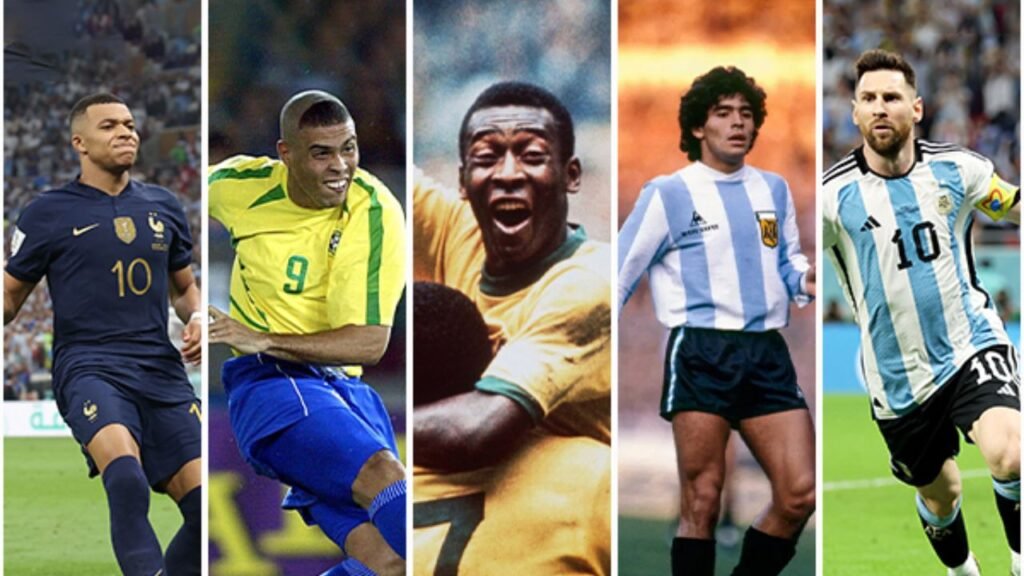
Pelé
Pelé remains one of football’s greatest icons. He won three World Cups and inspired generations of players worldwide.
Diego Maradona
Maradona carried Argentina to victory in 1986. His “Hand of God” goal and solo run against England became historic moments.
Lionel Messi
Messi finally completed his football legacy by winning the 2022 World Cup. His performances throughout the tournament amazed fans everywhere.
Cristiano Ronaldo
Although Ronaldo has not won the World Cup, he remains one of football’s greatest goal scorers and most influential players.
Greatest FIFA World Cup Moments
The World Cup creates legends and unforgettable drama. For instance, who can forget Diego Maradona’s “Hand of God” and his mesmerising solo goal against England in 1986? Maradona single-handedly carried Argentina to the title, proving one player can change history.
Moreover, the tournament delivers shocking upsets. In 1950, the USA defeated mighty England 1-0. In 2022, Saudi Arabia beat eventual champions Argentina in the group stage.
Meanwhile, Zinedine Zidane left a lasting, controversial mark in 2006 when he headbutted Marco Materazzi in the final. Spain dominated world football with short passing, movement, and possession. Their 2010 World Cup triumph showcased tactical perfection.
Most recently, Lionel Messi finally won his World Cup in 2022, cementing his legacy after a thrilling penalty shootout against France. These moments embed themselves into our collective memory.
Iconic Venues and Host Nations
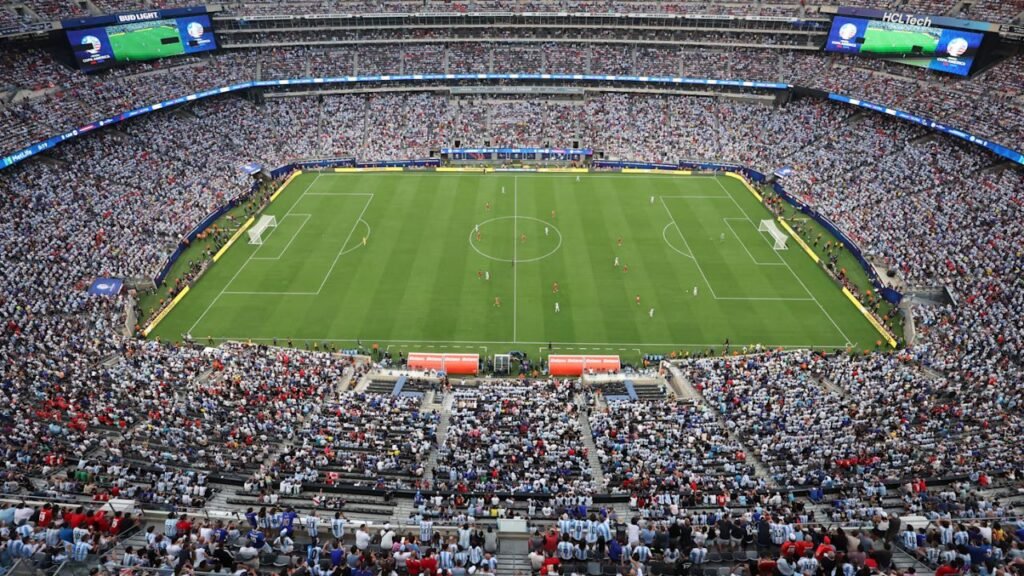
Hosting the World Cup changes a country’s destiny. Nations spend billions building state-of-the-art stadiums and upgrading infrastructure. For example, Brazil built the iconic Maracanã for the 1950 tournament.
Later, South Africa became the first African host in 2010, showcasing the vibrant culture of the continent to the world.
Qatar faced intense scrutiny over worker rights and extreme summer heat before the 2022 tournament. Consequently, FIFA moved the event to winter for the first time.
On the other hand, the upcoming 2026 World Cup spreads the hosting duties across the USA, Canada, and Mexico. This approach maximises existing infrastructure and brings the games to diverse, massive crowds.
The Golden Boot and the Golden Ball
FIFA awards the Golden Boot to the top scorer of the tournament. Players like Miroslav Klose, who holds the all-time World Cup scoring record with 16 goals, built their legacies through consistent tournament performances.
Similarly, James Rodríguez exploded onto the scene in 2014, winning the Golden Boot with stunning long-range strikes for Colombia.
Additionally, the Golden Ball goes to the tournament’s best overall player. Legends like Ronaldo (Brazil), Zinedine Zidane, and Lionel Messi have claimed this prize.
Winning the Golden Ball does not guarantee a World Cup title, though. For example, Messi won it in 2014, but Argentina lost the final to Germany.
The Cultural Impact of the World Cup
Football acts as a universal language. When the World Cup kicks off, geopolitical rivalries take a backseat. Fans from entirely different continents bond over a spectacular save or a brilliant goal.
You see fans in Tokyo celebrating a goal scored in Rio. Furthermore, the tournament heavily influences music and fashion. Shakira’s “Waka Waka” in 2010 became a global anthem. Also, fans bring their unique traditions, creating a colourful, month-long carnival of humanity.
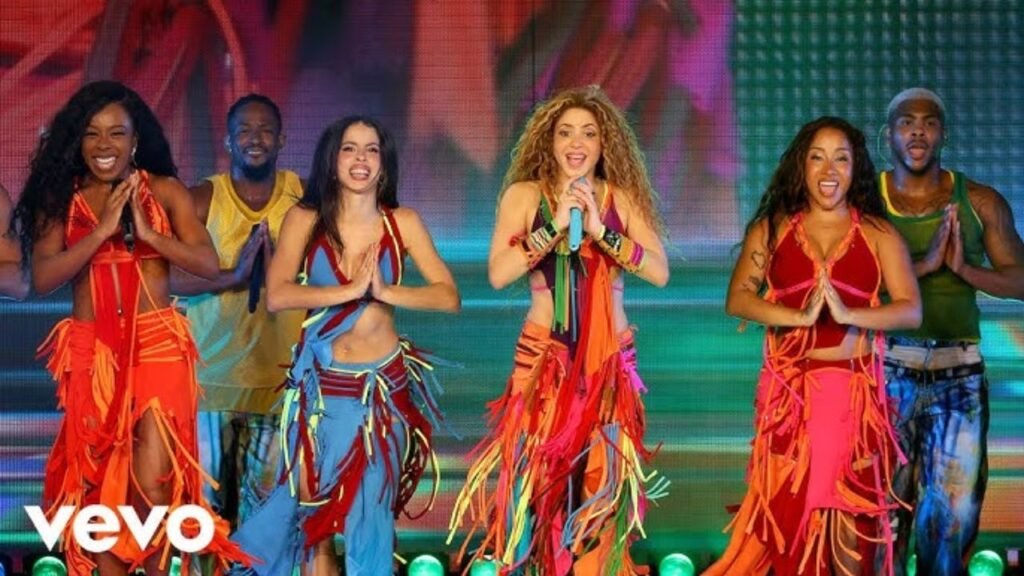
Moreover, the World Cup inspires the next generation. Kids watching from their living rooms dream of representing their country. After watching their heroes, millions of kids grab a ball and head to the streets.
Future of the FIFA World Cup
The tournament continues evolving. FIFA plans to expand future competitions with more teams, giving smaller nations better opportunities to participate.
Technology also shapes modern football through:
- VAR decisions
- Goal-line technology
- Advanced analytics
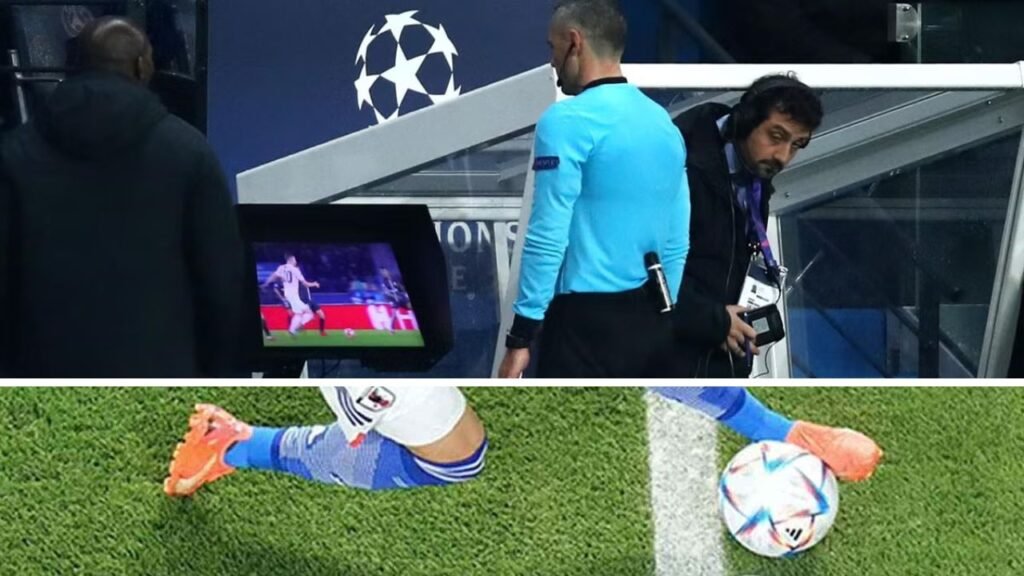
Meanwhile, streaming platforms and social media help younger audiences connect with the sport faster than ever.
FAQs
Who won the first FIFA World Cup?
Uruguay won the first FIFA World Cup in 1930. They defeated Argentina 4-2 in the final match held in Montevideo. As the host nation, Uruguay celebrated a perfect tournament, and this victory officially launched the era of global international football competition.
What is the World Cup trophy made of?
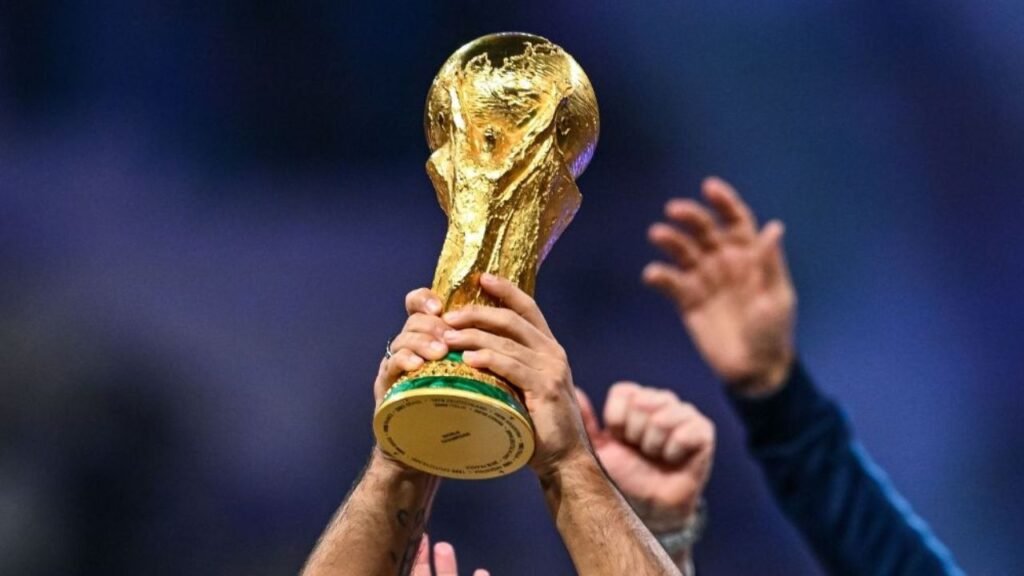
The current FIFA World Cup trophy stands 36.8 centimetres tall and features 18-carat solid gold. Furthermore, the base contains two layers of malachite, a green gemstone. It weighs approximately 6.1 kilograms and depicts two human figures holding up the Earth.
Which country has the most World Cup titles?
Brazil holds the record for the most FIFA World Cup titles, winning the prestigious tournament 5 times (1958, 1962, 1970, 1994, and 2002). They nickname their national team the “Seleção”, and fans worldwide recognise their iconic yellow jerseys.
Which country will host the next FIFA World Cup?
The 2026 FIFA World Cup will take place in the United States, Canada, and Mexico. This tournament will feature expanded participation and matches across multiple cities.
How much prize money does the World Cup winner get?
In the 2022 World Cup, FIFA awarded the winning team $42 million in prize money. The runner-up received $30 million. Overall, FIFA distributed a total prize pool of $440 million among the 32 participating teams based on their final finishing position.
Why is the World Cup held every four years?
The four-year cycle allows enough time for the extensive qualification process across all global regions. Additionally, this gap builds immense anticipation and prestige around the tournament. It also avoids scheduling conflicts with other major continental competitions like the Euros or the Copa America.