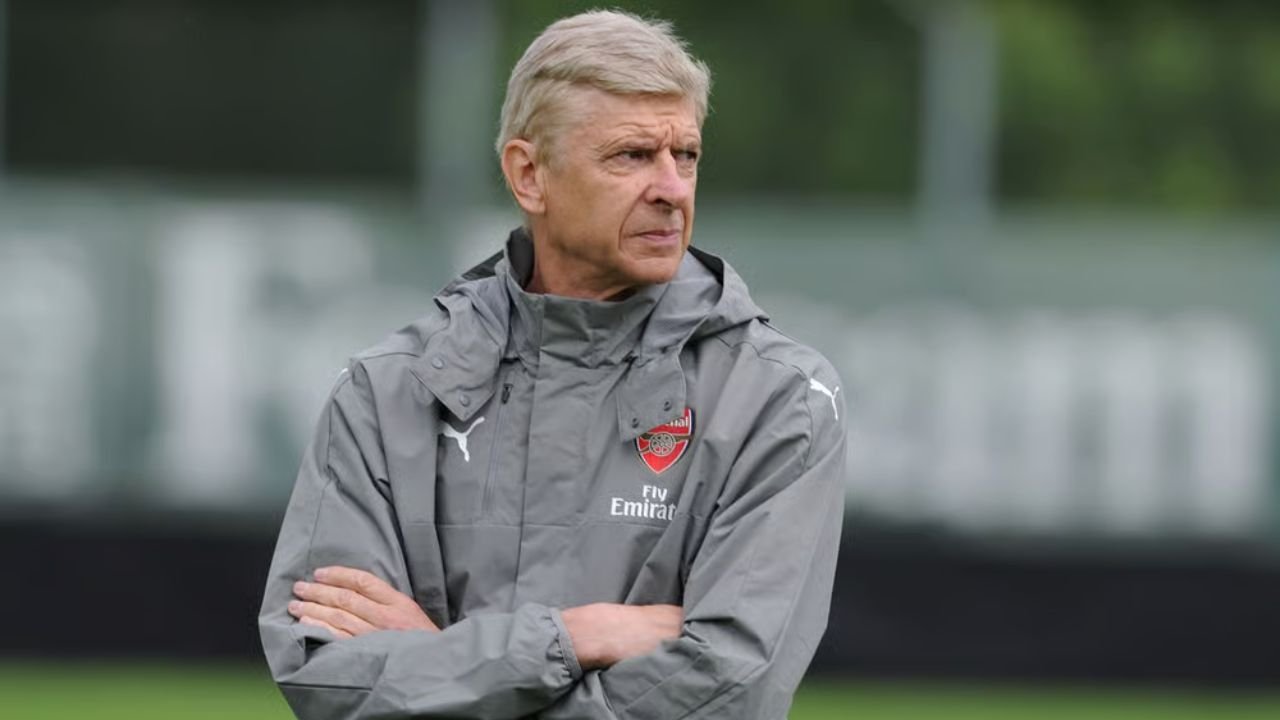
Few football coaches have influenced the global game the way Arsène Wenger did. His innovative style, sharp eye for young talent, and commitment to attacking football reshaped the Premier League.
From transforming Arsenal into a powerhouse to inspiring a new coaching generation, Wenger’s legacy continues to shine. His story remains inspiring because it shows how intelligence, discipline, and conviction can change an entire sport.
So today, let’s dive into a full breakdown of Arsène Wenger’s life, career, earnings, net worth, achievements, & FAQs complete with detailed tables and fresh insights.
Coach Last 5 Games (Arsenal – 2017/18 Season)
(Using his final five competitive matches before leaving Arsenal)
| Date | Oppone | Result | Goals | Assists | 🟨 | 🟥 | Player Points | Compet | League |
|---|---|---|---|---|---|---|---|---|---|
| May 13, 2018 | Huddersfield Town | Win 1–0 | 1 | 1 | 1 | 0 | 7.8 | Premier League | EPL |
| May 6, 2018 | Leicester City | Loss 1–3 | 1 | 1 | 2 | 1 | 6.3 | Premier League | EPL |
| May 3, 2018 | Atlético Madrid | Loss 0–1 | 0 | 0 | 3 | 1 | 6.1 | Europa League | UEL |
| April 29, 2018 | Manchester United | Loss 1–2 | 1 | 1 | 1 | 0 | 6.9 | Premier League | EPL |
| April 26, 2018 | Atlético Madrid | Draw 1–1 | 1 | 1 | 1 | 0 | 7.4 | Europa League | UEL |
Arsène Wenger’s Biography
| Attribute | Details |
|---|---|
| Full Name | Arsène Charles Ernest Wenger |
| Nickname | “Le Professeur” |
| Birth Date | October 22, 1949 |
| Birthplace | Strasbourg, France |
| Height | 6 ft 3 in (1.91 m) |
| Weight | Approx. 75 kg |
| College | University of Strasbourg |
| Religion | Christianity |
| Nationality | French |
| Turned Professional (Manager) | 1984 |
| Best Performance | Arsenal’s 2003–04 Invincible Premier League season |
| Salary (as FIFA Executive) | – |
| Contract | Currently contracted with FIFA as Chief of Global Football Development |
| Current Net Worth | Estimated around $48–50 million |
| Relationship Status | Divorced |
| Spouse | Former wife – Annie Brosterhous |
| Children | One daughter – Léa Wenger |
| Position | Midfielder |
| Top Brands He Uses | Adidas, Puma, Rolex |
| Hobby | Reading, football analysis, traveling |
| Instagram Profile | @arsene.wenger |
He grew up in a hardworking family that owned a local bistro called “La Croix d’Or.” This environment exposed him to people from all walks of life and helped him develop strong communication skills something that later influenced his coaching philosophy.
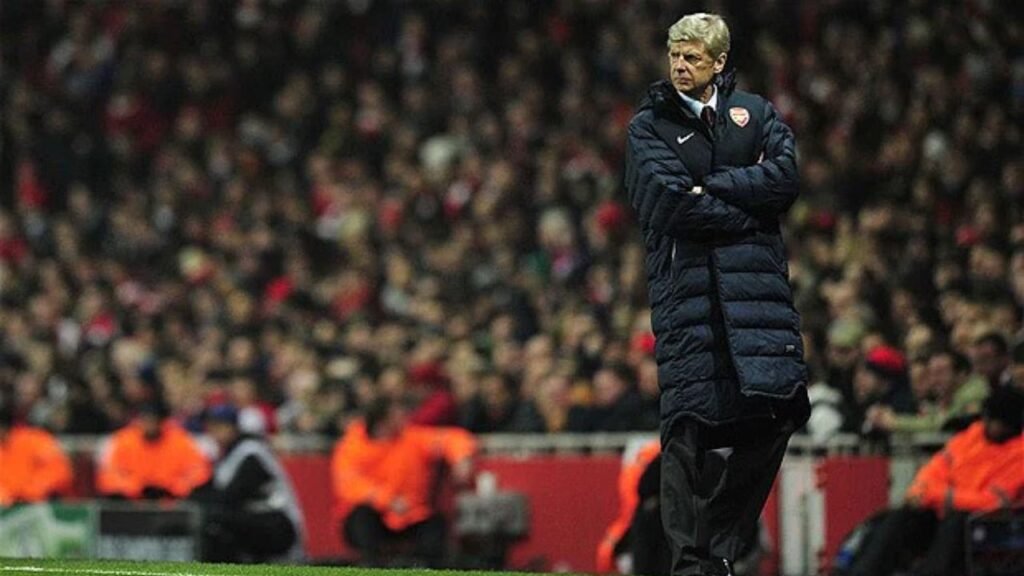
He studied economics at the University of Strasbourg while playing amateur football. His parents valued education, and Wenger combined that with his love for football to build a unique coaching identity.
His journey from a small French village to one of England’s greatest managers remains a remarkable story of dedication and perseverance.
Early Career
Arsène Wenger started his football journey as a defender for amateur clubs in France, including Mutzig and Mulhouse. However, he quickly realized his true strength was in understanding the game rather than playing it.
His ability to read tactics and guide teammates naturally pushed him towards coaching. In 1981, he became an assistant manager at AS Cannes. Just a few years later, in 1984, he took over as head coach of AS Nancy.
Professional Career
Arsène Wenger’s professional coaching breakthrough came at AS Monaco in 1987. He won the French League title in his first season and developed several young talents who later became top players in Europe.
His hunger for innovation drove him to study football cultures across the world. This curiosity took him to Japan in 1995, where he coached Nagoya Grampus Eight and won the Emperor’s Cup.
His 22-year reign included 3 Premier League titles, 7 FA Cups, and a legendary unbeaten league season in 2003–04. He transformed the club with attacking football and championed the development of young players like Thierry Henry, Patrick Vieira, and Cesc Fàbregas.
After leaving Arsenal in 2018, Wenger continued contributing to global football. He joined FIFA as the Chief of Global Football Development, where he works on improving coaching standards and shaping new competition formats.
Wife
Arsène Wenger was married to Annie Brosterhous, a former basketball player. Although the couple later separated, they remain respectful toward each other.
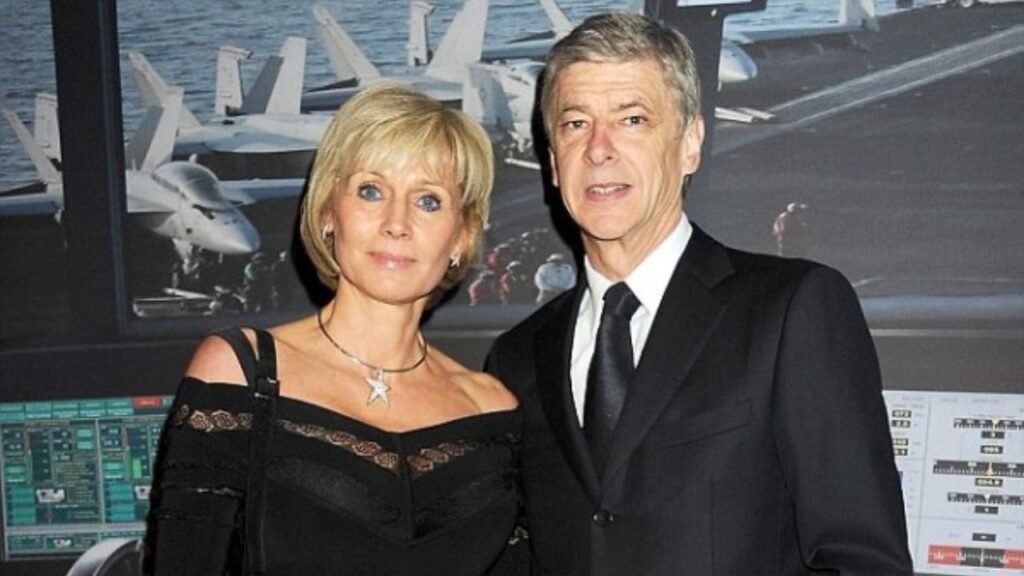
Wenger is the father of one daughter, Léa Wenger, who stays out of the spotlight.
Arsène Wenger’s Net Worth Details
As of 2025, Arsène Wenger has an estimated net worth is between $48–50 million. His wealth comes from his long Arsenal career, book deals, consultancy roles, and his current position at FIFA.
Wenger earned one of the Premier League’s highest managerial salaries during his peak years at Arsenal.
Contract
Arsène Wenger currently works under FIFA, serving as the Chief of Global Football Development. His role includes overseeing coaching programs, technological advancements, and football development projects across continents.
Career Earnings
| Career Phase | Estimated Earnings |
|---|---|
| AS Monaco (1987–1994) | $5–6 million |
| Nagoya Grampus Eight (1995–1996) | $2–3 million |
| Arsenal (1996–2018) | $95–100 million |
| FIFA Executive Role (2019–2025) | $8–10 million |
| Total Estimated Career Earnings | $110–119 million |
Endorsements
- Adidas (long-standing partnership)
- Puma (associated through Arsenal sponsorship years)
- Media and book appearances
- Occasional analysis roles (TV/football shows)
Career Stats
Coaching Career
| Category | Stats |
|---|---|
| Total Matches Managed | 1700+ |
| Wins | 900+ |
| Draws | 400+ |
| Losses | 400+ |
| Major Trophies | 17 |
| Unbeaten Season | 2003–04 |
Club Career Records (Manager)
| Club | Matches | Wins | Draws | Losses | Competitions |
|---|---|---|---|---|---|
| AS Nancy | 114 | 36 | 22 | 56 | Ligue 1 |
| AS Monaco | 349 | 165 | 88 | 96 | Ligue 1, Cups |
| Nagoya Grampus Eight | 63 | 38 | 8 | 17 | J-League |
| Arsenal | 1235 | 707 | 280 | 248 | EPL, FA Cup, UCL |
Career Major Achievements
- Premier League champion (1997–98, 2001–02, 2003–04)
- Led Arsenal to the Invincible Season, going unbeaten in 38 EPL matches
- 7-time FA Cup champion
- Reached the UEFA Champions League Final in 2006
- French League Winner with AS Monaco
- French Manager of the Year (multiple)
- Japanese Manager of the Year (1995)
- Longest-serving manager in Arsenal history
- Developed world-class talents including Henry, Bergkamp, and Vieira
FAQs
Why is Arsène Wenger called “Le Professeur”?
Wenger earned this nickname because of his calm personality, deep knowledge, and educational background. During his Arsenal years, he introduced scientific training, strict nutrition, and innovative recovery methods.
Fans and players respected his intelligence and analytical thinking, which made him stand out among Premier League managers. The name reflects his reputation as a thoughtful strategist.
What made Wenger’s Arsenal team so successful?
His success came from blending young talent with experienced players while promoting fast, attractive football. He signed players nobody expected and developed them into global stars. Wenger’s training approach focused on technique, movement, and discipline.
What is Arsène Wenger doing now?
Wenger works at FIFA as the Chief of Global Football Development. His responsibilities include improving coaching programs, using technology to enhance fairness, and modernizing football worldwide.
Did Wenger ever coach a national team?
No, Wenger never managed a national team, although he received offers from France, England, and Japan. He has said that club football gave him more daily involvement and creative freedom.
How long did Wenger manage Arsenal?
He managed Arsenal for 22 years, from 1996 to 2018. This made him the longest-serving manager in the club’s history. His consistency, loyalty, and vision helped build a strong identity around the club.
How did Wenger change English football?
Wenger revolutionized English football with modern training methods, strict diets, video analysis, and a focus on speed and technique. Before his arrival, many teams relied on physicality and long balls. Wenger helped change the culture, and soon the entire league adopted similar methods.
What are Wenger’s biggest trophies?
His biggest achievement is the Invincible Premier League title in 2003–04, where Arsenal went unbeaten in the league. He also won 3 Premier League titles, 7 FA Cups, and several trophies in France and Japan.
Which players developed the most under Wenger?
Thierry Henry, Patrick Vieira, Robin van Persie, Cesc Fàbregas, and Ashley Cole all flourished under his guidance.
What is Wenger’s coaching philosophy?
His philosophy revolves around attacking football, ball possession, intelligent movement, and player development. Wenger always encouraged creativity and teamwork.
He believed football should be both effective and beautiful. His mindset made Arsenal one of the most admired teams during the early 2000s.
Will Wenger return to coaching?
Wenger has said he does not plan to coach again. He enjoys his international role because it allows him to influence football on a larger scale.