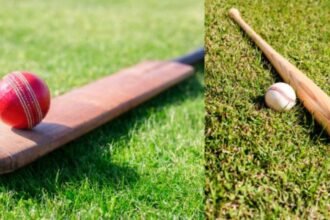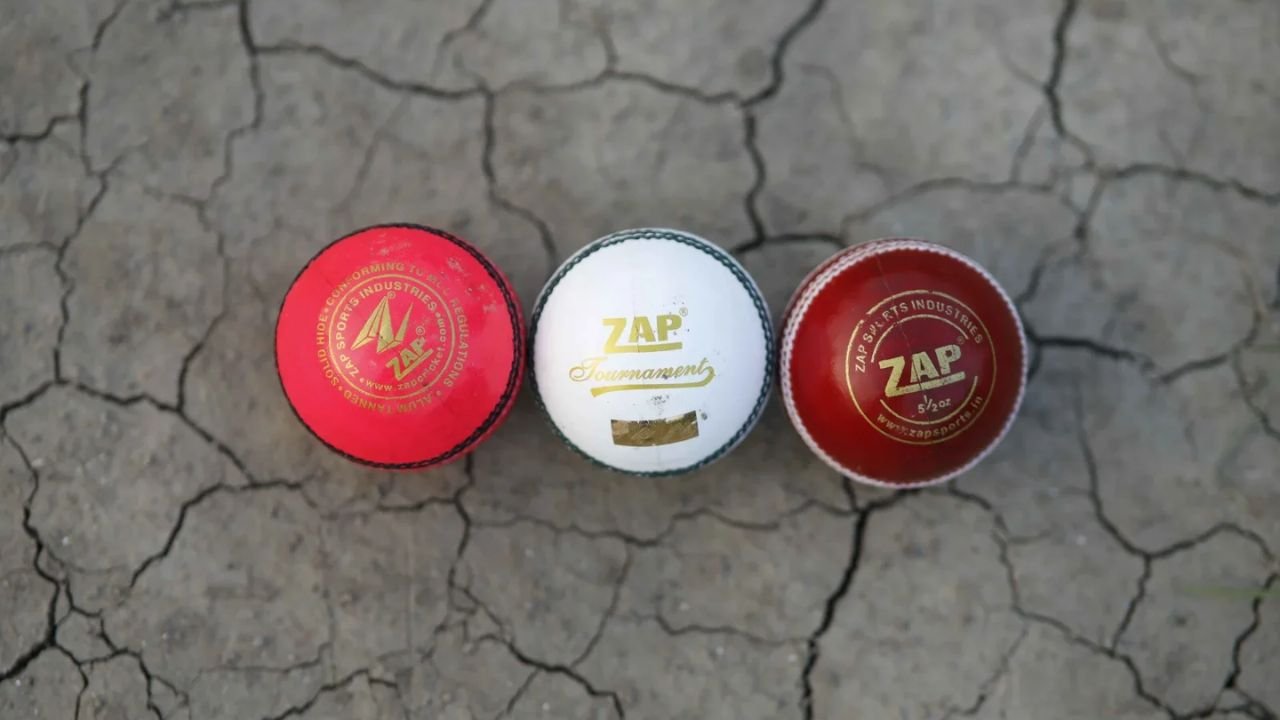
Cricket features three primary ball types tailored to its formats: red for Test matches, white for One-Day Internationals (ODIs) and T20s, and pink for day-night Tests.
These balls differ in construction, color, durability, and performance, influencing swing, seam, and spin across long-form and limited-overs games. Understanding their specifics reveals how equipment shapes strategies and outcomes.
Quick Specs Comparison
| Type | Weight/Circum. | Key Trait | Formats |
|---|---|---|---|
| Red | 155.9-163g / 22.4-22.9cm | Long shine, seam | Tests |
| White | Same | Early swing, softens | ODI/T20 |
| Pink | Same | Light visibility | Day-night Tests |
Core Construction
All regulation cricket balls share a standardized build per MCC laws, weighing 155.9-163 grams with a 22.4-22.9 cm circumference. A cork core provides bounce, wrapped in tightly wound string for shape retention, then encased in four leather pieces stitched into a prominent seam.
Hand-stitched versions like Dukes feature raised seams for better grip, while machine-stitched Kookaburra balls prioritize shine for swing. High-quality balls use premium leather from cowhide, dyed appropriately, with the “equator” seam aiding bowlers’ control.
Lower-grade practice balls employ two-piece covers for cost savings but lack elite durability. Manufacturers like Kookaburra (Australia), Dukes (England), and SG (India) dominate professional supply, each tweaking texture for local conditions.
Red Ball in Test Cricket
Red balls define traditional Test cricket, lasting up to 80 overs per innings due to their hard, durable leather that retains shine longer. Deep red dye ensures visibility in daylight, and the ball swings early before roughening for spinners as one side wears.
Dukes balls, with hand-stitched, pronounced seams, excel in England’s swing-friendly weather, generating lateral movement. Kookaburra red balls, used in Australia and elsewhere, have flatter seams that degrade faster, favoring pace but challenging seamers later.
SG variants, prominent in India, boast thicker seams and rougher texture, aiding spinners over 5-day Tests on turning pitches. A new ball starts each innings, replaceable only under Law 41 conditions like damage.
White Ball for Limited-Overs
White balls power ODIs and T20s, designed for high visibility under floodlights with a glossy polish that swings dramatically in powerplays.
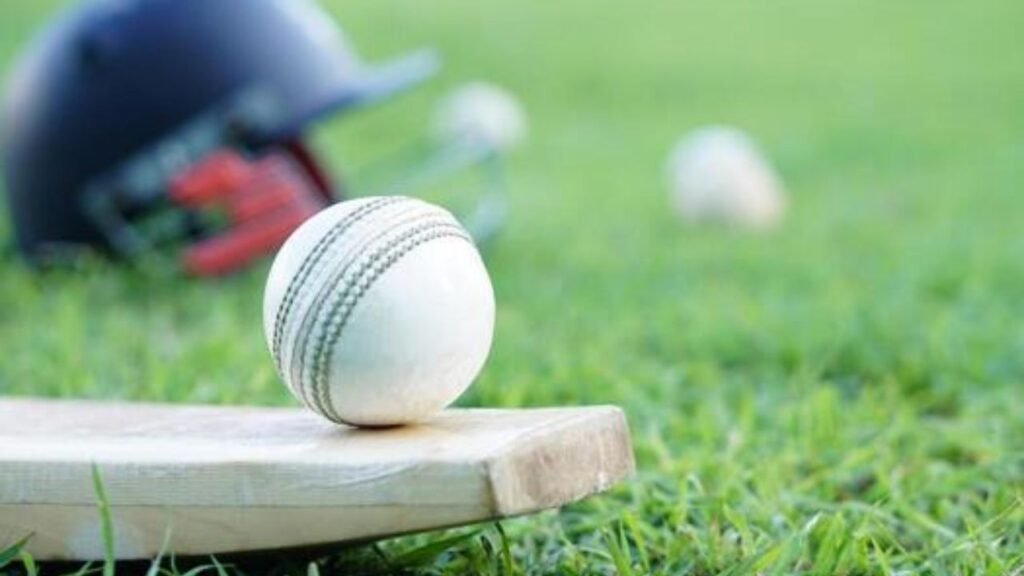
They soften after 30 overs, easing batting in death overs while maintaining hardness for big hits. Kookaburra white dominates ICC events, offering consistent bounce but less seam prominence than red.
In ODIs, two new white balls start—one per end—switched after 34 overs if needed, boosting reverse swing. T20s use one new ball per innings for explosive pace.
The white leather wears quicker, developing grip for spinners, but lacquer coating delays this, altering tactics from swing-focused openings to spin in middles.
Pink Ball Innovation
Pink balls emerged for day-night Tests, blending red durability with white visibility under lights, dyed polyurethane-coated for shine retention.
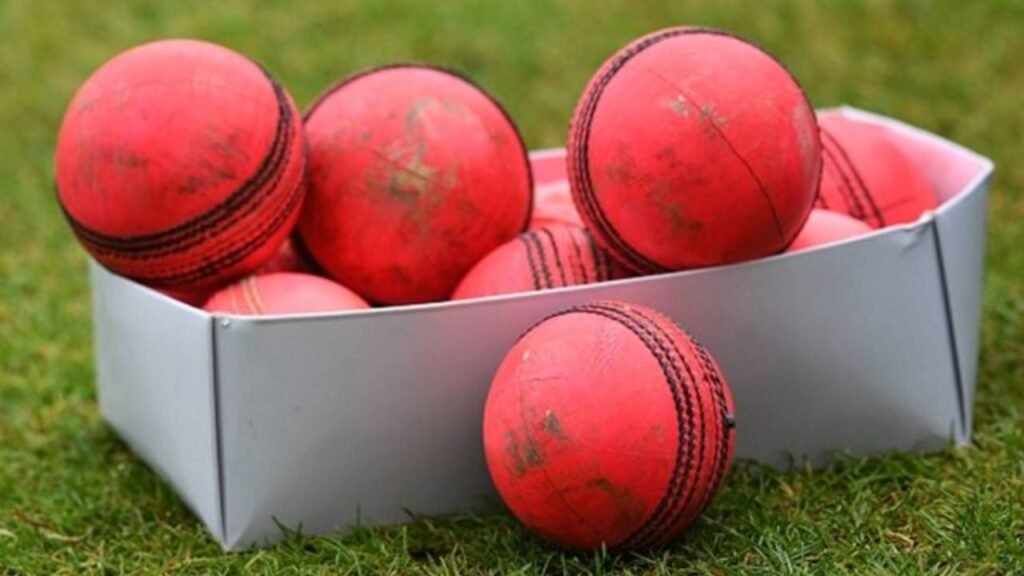
They swing more than red early on but lose polish faster, suiting shorter day-night formats since 2015’s Adelaide debut. Kookaburra produces most, with subtle seam differences aiding pacers in twilight sessions.
Key Manufacturers Compared
| Manufacturer | Primary Use | Seam Type | Strengths | Regions |
|---|---|---|---|---|
| Kookaburra | Tests, ODIs, T20s | Machine-stitched (flatter) | Shine, swing, consistent bounce | Australia, global ICC |
| Dukes | Tests (England) | Hand-stitched (raised) | Swing, seam in overcast | England, swing conditions |
| SG | Tests (India) | Hand-stitched (thick) | Spin grip, rough texture | India |
This table highlights adaptation to pitches and weather.
Performance Across Formats
In Tests, red balls evolve: new ones seam/swing, mid-spell roughen for cutters, late for reverse/doosra. White balls in ODIs/T20s prioritize early swing (powerplay restrictions amplify this), transitioning to slower, grippier death bowling. Pink bridges formats, performing like red by day but white at night.
Ball care—polishing one side with saliva/towel, avoiding grass—maintains condition, per umpiring scrutiny. Tarnishing leads to replacements, shifting momentum. These traits demand format-specific skills: endurance for Test red-ball grinders, explosiveness for white-ball hitters.
FAQs
What are the three main cricket ball types by format?
Red balls are used in traditional Test cricket for their durability over five days. White balls power ODIs and T20s, offering high visibility under lights and early swing. Pink balls feature in day-night Tests, combining red toughness with white glow for twilight play.
How does a red cricket ball differ from a white one?
Red balls retain shine longer for sustained swing and seam in Tests, weighing 155.9-163g with raised seams on Dukes models. White balls have glossy polish for floodlit games, softening quicker after 30 overs to aid spinners and big hitters in limited-overs. They wear faster but swing dramatically early on.
Why is the pink ball used in day-night Tests?
Pink balls provide better visibility under floodlights than red while matching Test durability, debuting in 2015 Adelaide. Polyurethane coating helps retain shine, but they lose polish faster, suiting hybrid day-night schedules. Kookaburra produces most for consistent bounce.
Which manufacturers make professional cricket balls?
Kookaburra supplies Australia and ICC events with machine-stitched seams for shine and swing. Dukes offers hand-stitched, raised seams ideal for England’s swing conditions in Tests. SG balls, with thick seams, dominate India for spin-friendly pitches.
What is the standard size and weight of a cricket ball?
All regulation balls measure 22.4-22.9 cm in circumference and weigh 155.9-163 grams. Cork core and string winding ensure bounce, encased in four-piece leather with a stitched seam for grip. Sizes vary slightly for juniors, but adults use this spec.
How do seams affect ball performance in cricket?
Raised hand-stitched seams on Dukes enhance swing and seam movement in overcast weather. Flatter machine-stitched Kookaburra seams prioritize shine for early swing but degrade for reverse later. Thicker SG seams grip better for spinners on rough pitches.
When are new balls introduced in different formats?
Tests start a new red ball per innings, replaceable after 80 overs or damage. ODIs use two new white balls from each end, potentially switched at 34 overs for reverse swing. T20s deploy one new white ball per innings for explosive pace.
How does ball condition change during a match?
New balls shine for swing and seam early; one side roughens with use for cutters and spin. White balls lose lacquer faster, easing death-over hitting. Polishing with saliva maintains one shiny side, per rules, until umpires intervene.
Which ball is best for swing bowling?
Dukes red balls excel with pronounced seams in swing-friendly England conditions. Kookaburra white balls swing sharply in ODI powerplays due to polish. Pink balls offer similar early movement but adapt for day-night transitions.
Why do cricket balls vary by region?
England favors Dukes for swing; Australia uses Kookaburra for bounce on hard pitches. India’s SG suits turning tracks with rough texture for spinners. These tweaks match local weather, pitches, and play styles across Test formats.